
Termite Damage in Missouri Homes: Warning Signs, Termite Inspection and Treatment
Summit Pest Solutions | Published 2026-11-09
Quick answer: Termite damage can stay hidden until a wall is opened. Subterranean termites in Missouri leave a few signs: mud tubes, discarded wings and wood that sounds hollow. If you spot one, get a termite inspection in Wright City, MO or anywhere in Warren, St. Charles, Lincoln and Franklin Counties before any termite treatment is planned.
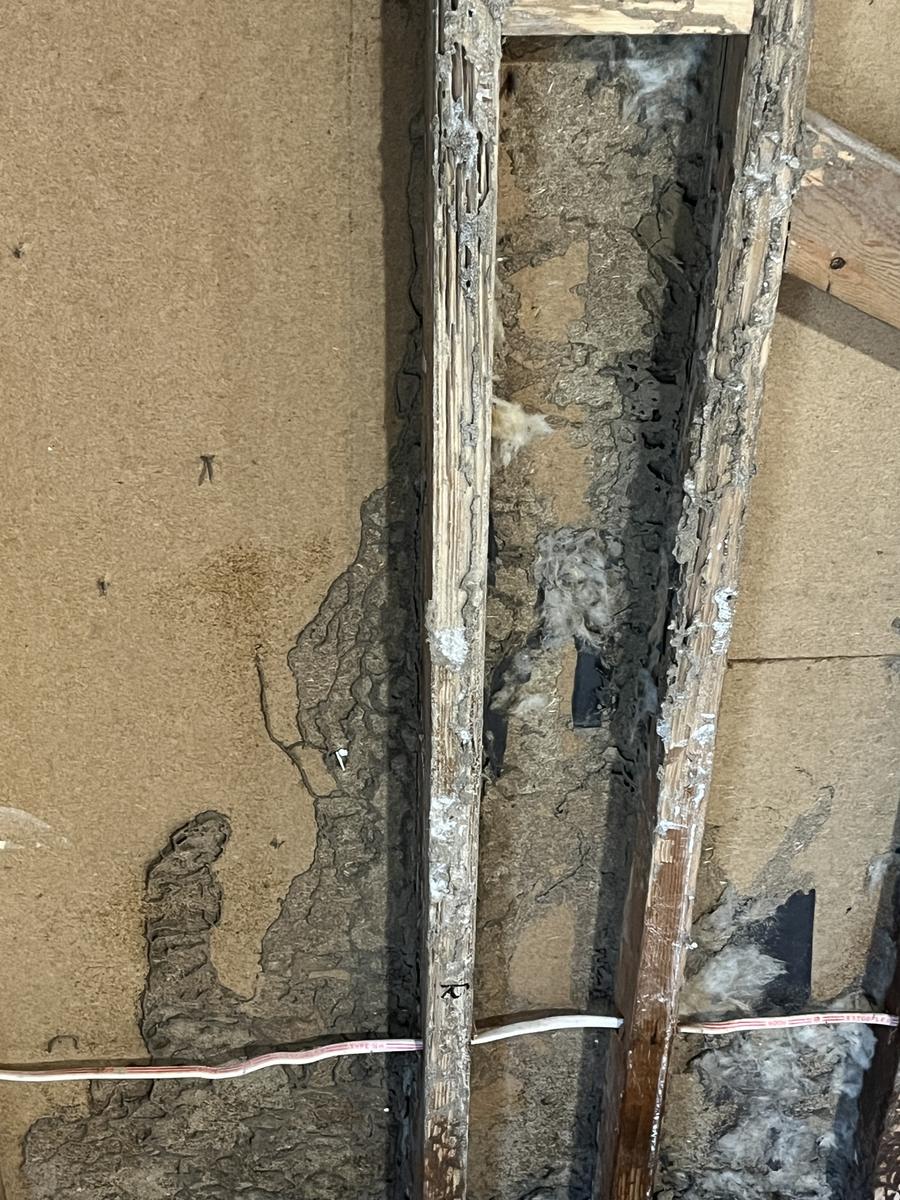
Signs of termites: a quick checklist
- Mud tubes on foundation walls, piers or crawl space walls
- Swarmers (winged termites) inside your home, often in spring
- Discarded wings in small piles near windows and doors
- Hollow-sounding wood when you tap it
- Soft or damaged wood near the foundation, sometimes packed with soil
Found one of these? Set up a termite inspection.
Subterranean termites in Missouri
All of Missouri's native termites are subterranean termites. They live in the soil and travel to wood.
Eastern subterranean termites are the most common house-infesting termites in the U.S. They are found across Missouri. That includes towns like Wright City, Warrenton, Wentzville, Troy and Washington.
Termites get into homes from the soil. They come in where:
- Wood touches the ground
- They build mud tubes up the foundation
- Cracks in a slab or gaps around pipes and wires let them through
Why termite damage stays hidden
Termites stay inside the wood they eat. They eat the soft grain and leave the outside in place, so a stud can look normal while it is full of tunnels.
They can feed inside wood for months or years with little outside sign. That's why a lot of damage turns up during repairs or remodeling.
Damage alone does not prove termites are still there. It may be old damage, and you can't tell how old it is just by looking.
A professional inspection can check for signs of current activity.
Termite damage warning signs, up close
Mud tubes
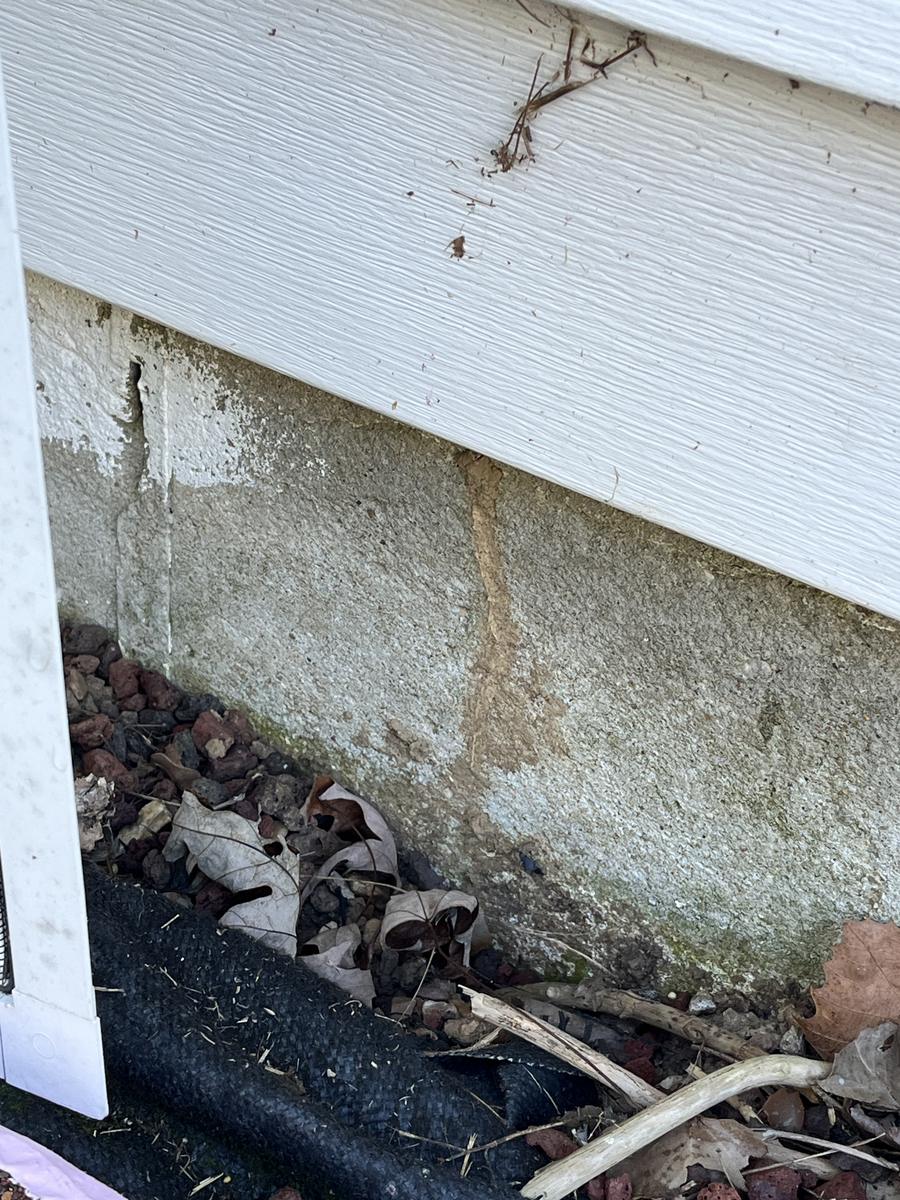
Termites dry out in open air, so they build tubes of soil to travel from the ground to wood. Look for narrow tubes on foundation walls, piers or plumbing.
Tubes on a foundation are a sign of infestation. Breaking them open won't get rid of termites. The colony is still in the soil, so leave the tubes for the inspection.
Swarmers and discarded wings
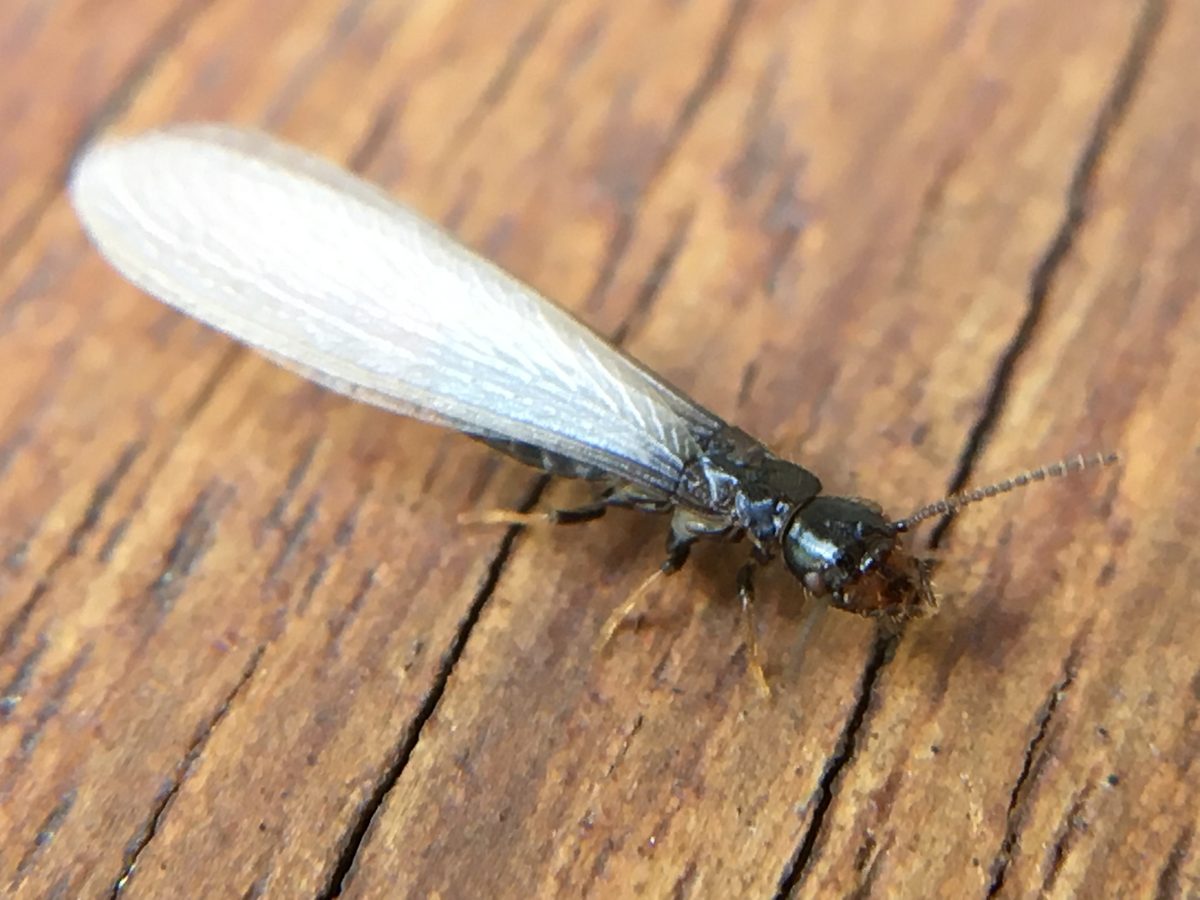
A mature colony sends out winged termites called swarmers. In Missouri, they usually swarm in spring, often on a warm, sunny day after rain.
After they fly, swarmers drop their wings. Small piles of wings near windows and doors are a clue.
Ants swarm too. Here's how to tell them apart:
- Termites: straight antennae, 4 wings about the same length, thick waist
- Ants: bent antennae, front wings longer than back wings, narrow waist
Lots of swarmers inside a home are a strong sign of termites.
Hollow-sounding or damaged wood
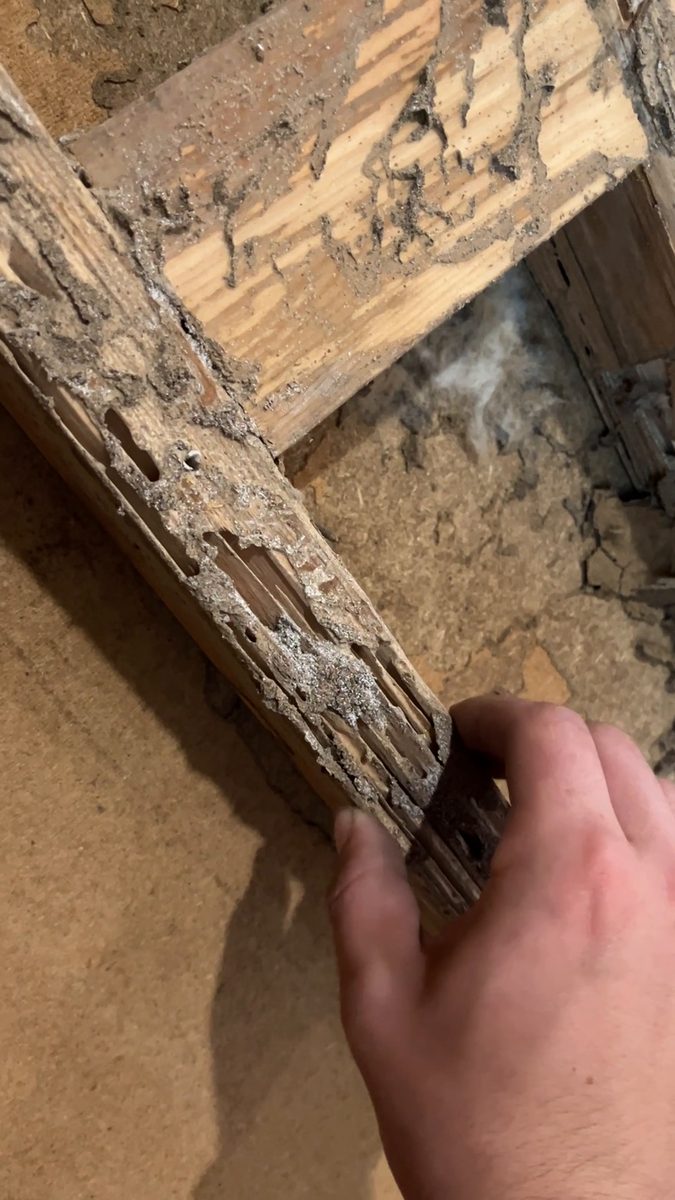
Termite-damaged wood may sound hollow when tapped, feel soft or give way when pressed. In bad cases, only a thin outer shell is left.
Check wood near the soil or foundation. That includes sill plates, the ends of floor joists and the bottoms of wall studs.
When to get a termite inspection
Call for a termite inspection if you:
- See swarmers or piles of wings inside
- Find mud tubes on a foundation wall, pier or crawl space
- Uncover damaged wood during a repair or remodel
- See swarmers coming out of the ground near your foundation
- Don't know when your home was last checked for termites
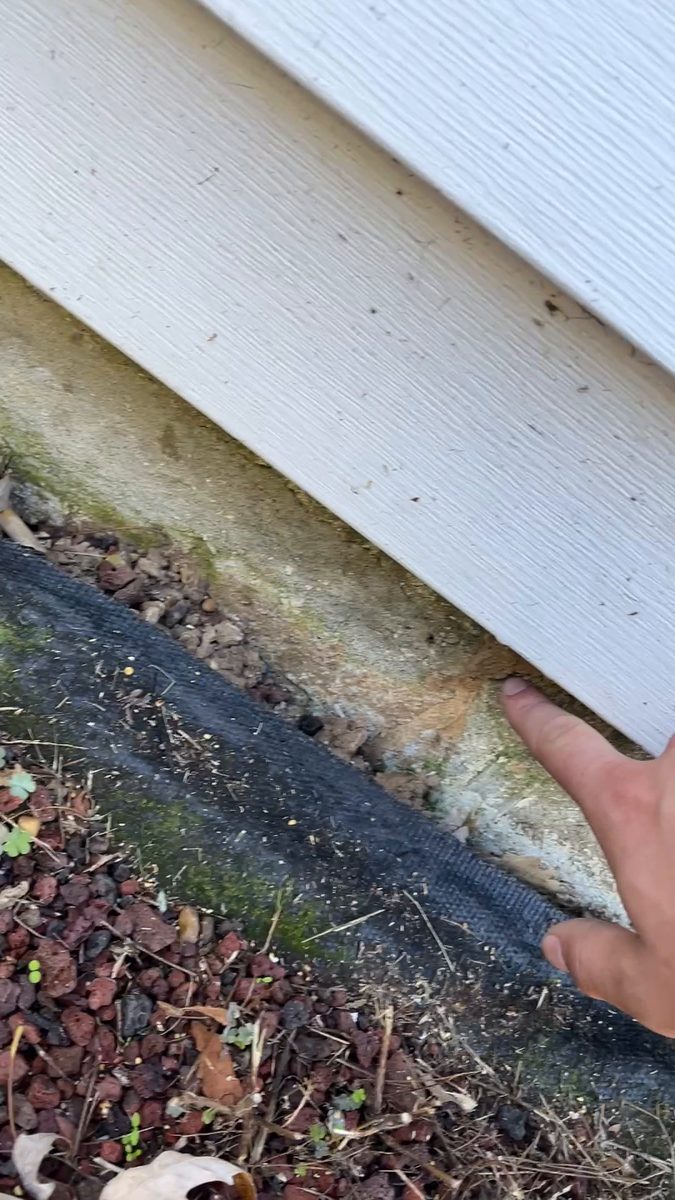
Extension experts suggest regular inspections. Termites rarely come out of the soil, tubes or wood.
Found damage? Don't panic. Termites work slowly, so you have time to get an inspection and learn your options.
What termite treatment involves
Termite treatment is a job for a pest management professional. There are no do-it-yourself steps that work well. Spraying the termites you can see won't reach the colony in the soil.
Treatment starts with an inspection. It shows where termites are getting in and what kind of foundation the home has. The two main options are:
- Soil treatment: A liquid termiticide goes into the soil where termites can enter. The method depends on the foundation: slab, crawl space or basement.
- Baiting: Stations go in the ground around the home. Termites feed on the bait and share it with the colony. Baiting takes longer and needs regular checks.
Your inspector should explain what was found and what the work involves before anything starts.
How to make your home less inviting to termites
- Keep soil by the foundation dry with good grading, gutters and downspouts
- Fix leaks quickly
- Keep wood from touching the soil at porches, steps and siding
- Don't stack firewood or wood scraps against the house
- Keep vents clear and trim shrubs back from the walls
Termite inspection in Wright City and nearby towns
Summit Pest Solutions is based at 15399 Courtney Ln in Wright City, MO. We offer termite inspections and termite treatment across Warren, St. Charles, Lincoln and Franklin Counties.
That includes Wright City, Warrenton, Wentzville, Troy and Washington.
Learn more about our residential pest control plans, or contact us to set up a termite inspection.
Frequently asked questions
What are the signs of termites in a house?
Look for mud tubes on the foundation, swarmers or shed wings indoors, and wood that sounds hollow or feels soft.
Why is termite damage so hard to spot?
Termites stay inside the wood and leave the outside in place. They can feed inside wood for months or years with little outside sign.
Does termite damage mean termites are still active?
Not always. It may be old damage, and you can't tell its age by looking. A professional inspection can check for signs of current activity.
Does Summit Pest Solutions offer termite inspections near Wright City, MO?
Yes. We offer termite inspections and termite treatment across Warren, St. Charles, Lincoln and Franklin Counties. Call 636-246-7143 to schedule one.
Schedule a termite inspection
Found mud tubes, wings or damaged wood? Call Summit Pest Solutions at 636-246-7143.
Summit Pest Solutions
15399 Courtney Ln, Wright City, MO 63390
636-246-7143
15399 Courtney Ln
Wright City, MO 63390
Phone: 636-246-7143
Serving Warren, St. Charles, Lincoln and Franklin Counties
Find us on Google
Copyright © 2026 - All Rights Reserved. Privacy Policy | Terms & Conditions